There are 498 blog posts for you to enjoy.
San Martín de Pangoa, Perú
June 28, 2025
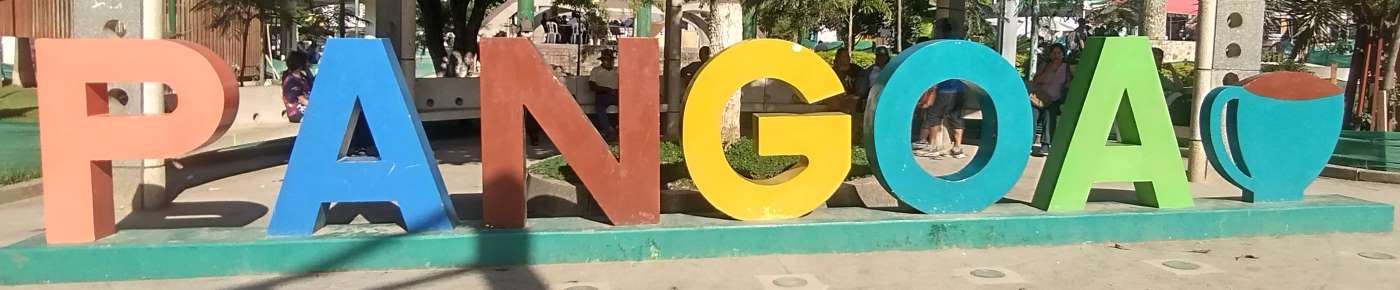
I'm in San Martín de Pangoa, Perú. This is a town in "La Selva Central" region - the central part of Perú on the Amazon side of the Andes Mtns. I hiked from Mazamari to Pangoa, it took 3 hours and 22 minutes, hotel to hotel. That was with my backpack of about 17 kilos (37 pounds), and two stops for snacks and drinks. My backpack isn't so heavy because I am not carrying camping gear, I stay in hotels/hostels/residencias/hospedajes. In South America those are all basically the same, the only real difference is in the cost per night. Residendencias and hospedajes are the least expensive, and most basic. But today I got a room for 30 Soles (less than US$10) per night and it has a queen-size bed, nightstand, desk/chair, 40" TV. I've had hotel rooms with less for more money. This place is called Hostal El Encanto de la Selva, it's one black from the main plaza.
Read More
Mazamari, Perú
June 25, 2025

I'm in Mazamari, Perú, again. My first visit here was in February, 2023; my second visit wasJuly, 2023; and my third visit was in April 2024. I like this little nothing-special town. It's so little it has nosupermarket and a few ATMs. The town has three official parks and one green area alongside the river, which runsthrough the edge of town, which is only about five or six blocks from the town center.
This past weekend, Mazamari, Perú celebrated its 60th anniversary with four full days ofmusic, dancing, street parades, and beer-fueled tradition. I arrived one day late, but still caught plenty of theaction - horn bands blasting through the streets, dancers in colorful costumes, and entire neighborhoods sharing beerswhenever the unmistakable call of Chonguinada or Tunantada rang out. According to one young woman I spoke with, thosemusic styles are basically "beer songs". The bands will parade around town, one by one, through the neighborhoods, andstop to play in front of some houses. The people in the houses are supposed to come out and share beers with the bands.They continue all throughout the town. The weekend was loud, chaotic, and unforgettable. And quite interesting, to saythe least.
Read More
Huancavelica, Perú
June 22, 2025

I'm in Huancavelica, Perú. This place sits at 3,704 meters (12,093 feet). If I remember correctly, that's a bit higher than the peak of Mt. Hood, Oregon. My brain is suffering, dizzy, mild headache. When I lived in Arequipa, Perú (average 2,328 meters/7,638 feet), I felt this way every day for six months; it's not fun. It's also cold, this afternoon high was 17° C (63° F). I was told it's this temperature all year round. It might be high, it might be cold, but it is quite pretty in this narrow valley with the Mantaro River running through the center of town.
Read More
The Art of Noticing: Where Ideas Truly Come From
June 17, 2025
“You get ideas from daydreaming. You get ideas frombeing bored. You get ideas all the time. The only difference between writers and other people is we notice when we'redoing it.”
— Neil Gaiman
As writers, we're often asked, "Where do your ideas come from?" It's a question that, at firstglance, seems straightforward. Yet, the answer delves deep into the essence of creativity and observation.
Neil Gaiman, in his essay "Where do you get your ideas?" , addresses this very inquiry. He suggeststhat ideas aren't elusive treasures hidden in distant realms but are ever-present, waiting to be noticed. They emergeduring mundane moments—while daydreaming, feeling bored, or simply observing the world around us.
Read More
A Simpler Lifestyle
April 8, 2025

In the book, Walden, by Henry David Thoreau, he told the story of his own life living minimalistic alongside a pond called Walden Pond. Thoreau moved to a small cabin near Walden Pond, on land owned by his friend Ralph Waldo Emerson, near Concord, Massachusetts. He talked about living a life of simplicity, where one reduces material possessions and distractions in order to focus on what's truly important. He talked about importance of independence and self-sufficiency. He built his own cabin, grew his own food, and lived on a small budget, and so, demonstrated the power of self-reliance. Throughout the story, nature is a central theme. Thoreau drew on his daily observations of the natural world to reflect on deeper philosophical questions. He wanted his readers to consider how they spend their time, arguing that the value of life is not found in material wealth or productivity but in mindful, purposeful living. In general, the book Walden challenges the notion that more possessions or success equate to happiness or fulfillment.
Read More