My Books on Amazon






There are 42 blog posts for you to enjoy.
La Rioja, AR - A Town with an Interrupted History
November 4, 2026
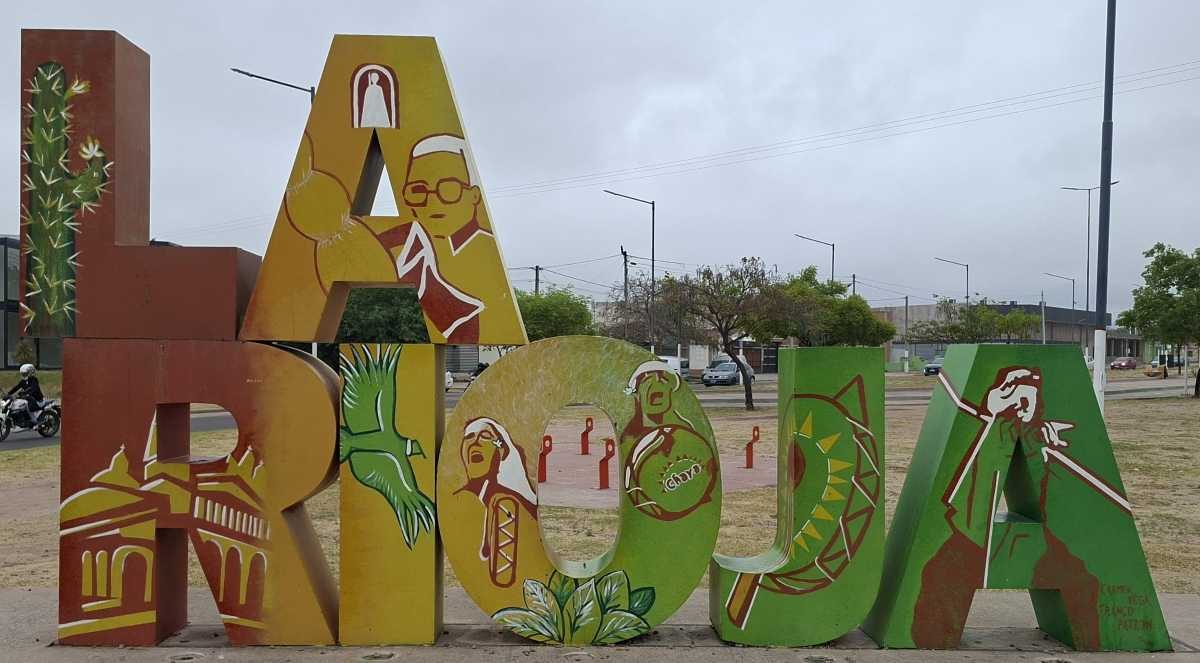
La Rioja, Argentina - population of around 211,000 (as of 2022), is officially named "Ciudad de Todos los Santos de la Nueva Rioja." It was founded in 1591. The city was flattened by a magnitude 6.4 earthquake in 1894. Then again, in 1957, it was hit by a 6.0 magnitude earthquake. Then in 2002, it was again hit by another 6.0 magnitude earthquake.
Read MoreSan Juan, AR - A City Devistated, yet Survived Stronger
October 30, 2026
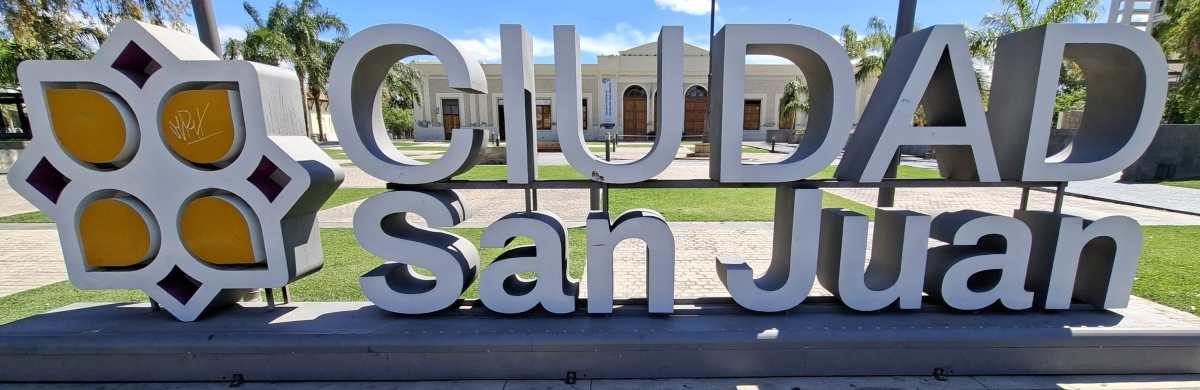
San Juan, Argentina, has a population of around 471,000 in the metropolitan area, as of 2010. The town itself has about 110,000. It is located in central-western Argentina, about midway between Mendoza and Salta. It's a very clean town, and there are many trees lining the streets, both in the center and in the suburbs.
Read MoreUspallata, AR - Where the Mountain Snow Turned Me Around
October 26, 2026
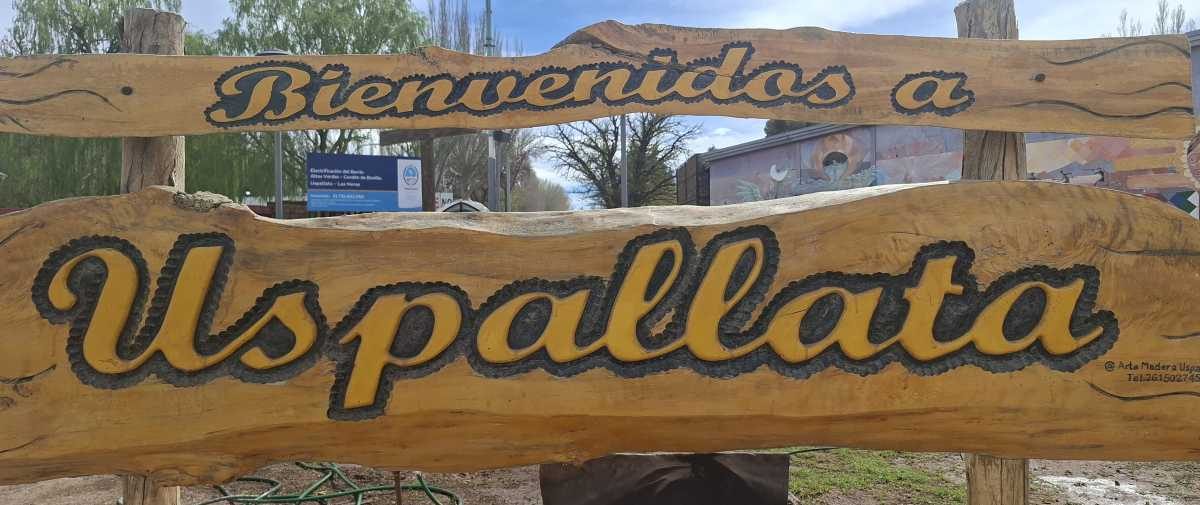
Uspallata, Argentina, has a population under 4000. Uspallata is the last town if you're westbound from Mendoza to Chile. Here you are at about 2040 meters (around 6700 feet) elevation, and it's rather on the chilly side, especially at night. The town is quite small, it's referred to as a village. There is a new supermarket about a kilometer outside the town center, which means few people walk to it. In town, there's pretty much every kind of shop you'd have a need for, and two ATMs at the one bank. There are lots of shops renting winter sports gear and chains for your car.
Read MoreVilla Mercedes, AR - A Second Visit was Worth It
October 22, 2026
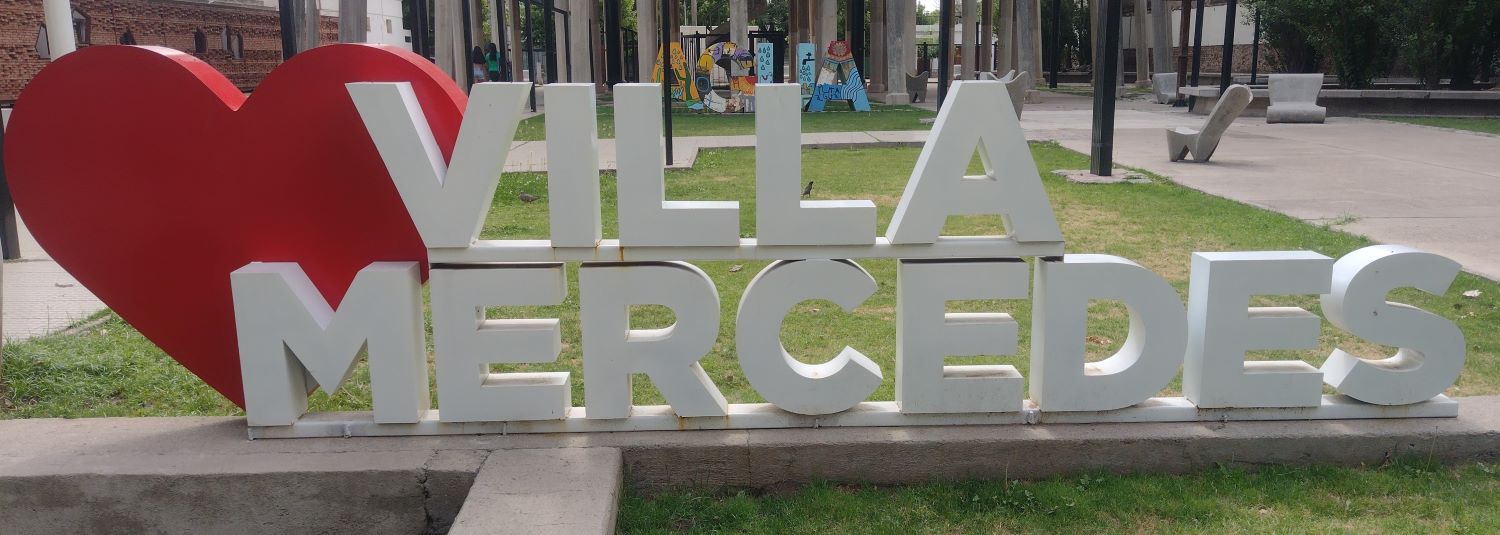
Villa Mercedes, Argentina, with a population of around 133,000, was founded as a post station in 1706 or so, the locals jokingly called it Las Pulgas (the fleas), then in 1752 the process to establish the town began. Villa Mercedes was named "Río Quinto" because the river Quinto runs alongside and through part of the town. It was founded in 1856, then in 1861 was named Villa Mercedes in honor to Virgen de las Mercedes (Our Lady of Mercy). The town is located right in the middle between Córdoba and Mendoza. My first blog of VM has the full history of the town. I find it a nice stop-over when traveling between those two cities.
Read MoreCórdoba – A City Founded by Disobedience
October 18, 2026

Córdoba, Argentina, population of around 1,500,000, sits in central Argentina. The metropolitan area has around 1,650,000 people. It is historically known as "La Docta" or "The City of Bells."
Growing Pains
Córdoba was founded by Jerónimo Luis de Cabrera, from Seville, Spain, in July 1573, as a Spanish settlement that would serve as a refuge from the indigenous people, allowing the Spaniards to move and trade freely along the route between the silver mines of the Andes and the Río de la Plata. Cabrera had actually been ordered by the Viceroy of Peru to found a city much farther north, but he chose this fertile valley on the Suquía River instead and named it after his wife's hometown in Andalusia. The disobedience cost him his life. His successor as governor had him tried for insubordination, and he was executed in 1574, barely a year after founding the city.
Read More
I used to teach English as a foreign language in Barranquilla, Colombia. Now I'm retired and traveling throughout South America.
I'm from Kennewick, Washington, USA. In my previous life, as I call it, I was an IT guy, systems administrator, computer tech, as well as a shipping/receiving guy and also worked as a merchandising guy in a RV/Camping store.