My Books on Amazon


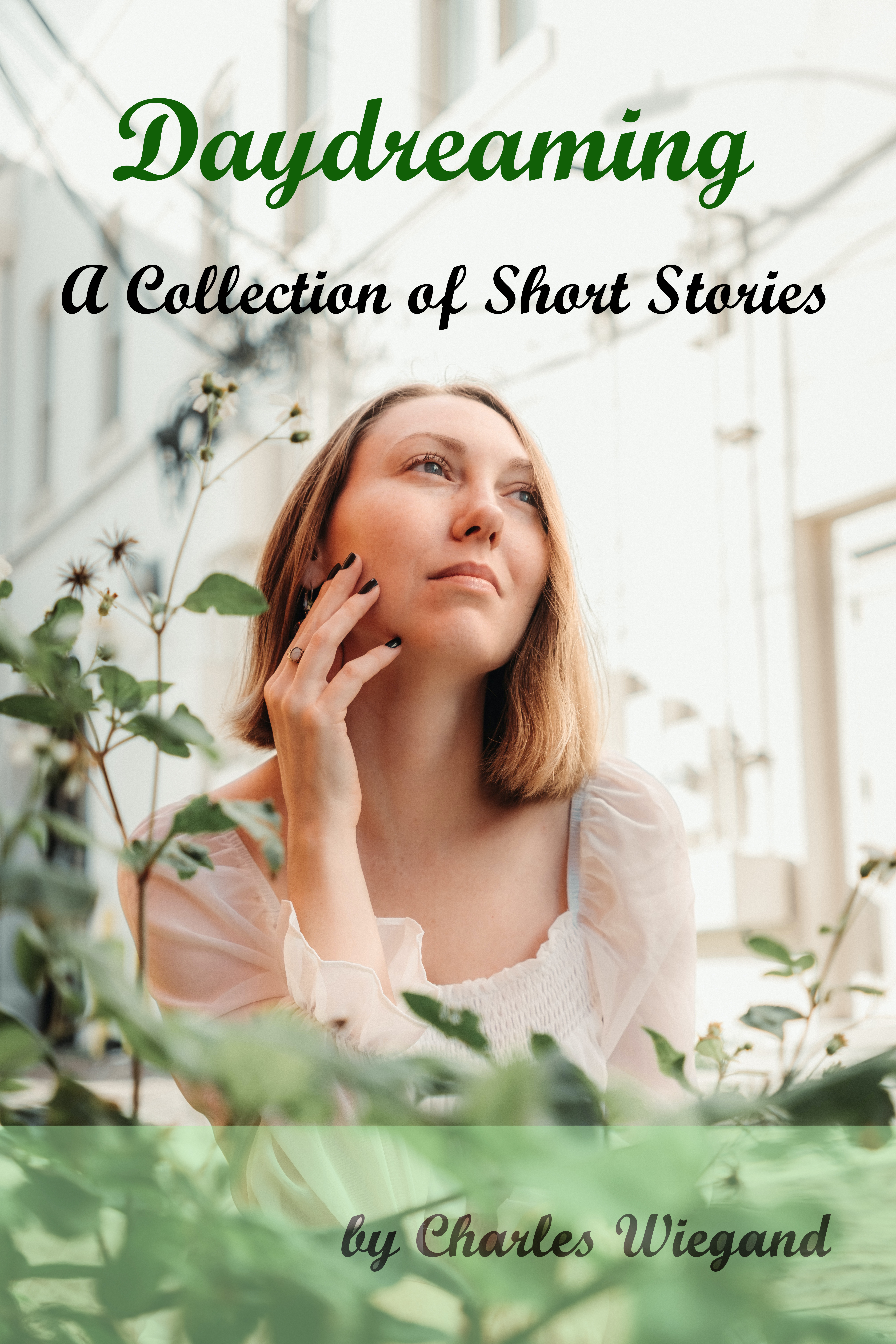



The Art of Noticing: Where Ideas Truly Come From
June 17, 2025
“You get ideas from daydreaming. You get ideas frombeing bored. You get ideas all the time. The only difference between writers and other people is we notice when we'redoing it.”
— Neil Gaiman
As writers, we're often asked, "Where do your ideas come from?" It's a question that, at firstglance, seems straightforward. Yet, the answer delves deep into the essence of creativity and observation.
Neil Gaiman, in his essay "Where do you get your ideas?" , addresses this very inquiry. He suggeststhat ideas aren't elusive treasures hidden in distant realms but are ever-present, waiting to be noticed. They emergeduring mundane moments—while daydreaming, feeling bored, or simply observing the world around us.
Walking through a park, I might notice the way sunlight filters through the leaves, castingintricate patterns on the ground. While others might pass by without a second glance, a writer sees a story—asecret meeting spot, a portal to another world, or a symbol of fleeting beauty.
This heightened sense of awareness isn't exclusive to writers, but it's a skill honed over time.It's about training oneself to see beyond the obvious, to ask "What if?" and to let the imagination roam freely.
In today's fast-paced world, boredom is often seen as something to be avoided. Yet, it's in thesemoments of inactivity that our minds wander, making unexpected connections and birthing new ideas. Gaiman emphasizesthat daydreaming isn't a waste of time but a fertile ground for creativity.
By allowing ourselves the space to be bored, we open the door to a realm of possibilities. It's inthese quiet moments that the seeds of stories are sown.
The distinction Gaiman makes isn't about possessing a unique ability to generate ideas but aboutrecognizing and valuing them. Everyone experiences fleeting thoughts and imaginative scenarios. Writers, however, takethe time to capture and nurture these moments, transforming them into narratives that resonate with others.
This mindset isn't confined to writing. Artists, musicians, and creators across disciplines tap intothis reservoir of ideas, drawing inspiration from the world around them.
To harness this creative potential:
- Slow Down: Take moments throughout the day to pause and observe your surroundings.
- Ask Questions: When something catches your attention, delve deeper. Why did it stand out? What stories could ittell?
- Document Thoughts: Keep a journal or digital note of fleeting ideas, no matter how trivial they seem.
- Embrace Curiosity: Let your interests guide you, even if they lead down unconventional paths.
By fostering these habits, we train ourselves to be more attuned to the world, unlocking awellspring of inspiration.
Ideas are all around us, waiting to be noticed. By embracing boredom, indulging in daydreams, andcultivating a keen sense of observation, we tap into an endless source of creativity. As Neil Gaiman aptly puts it, thedifference lies in noticing—and in choosing to act upon what we observe.

I used to teach English as a foreign language in Barranquilla, Colombia. Now I'm retired and traveling throughout South America.
I'm from Kennewick, Washington, USA. In my previous life, as I call it, I was an IT guy, systems administrator, computer tech, as well as a shipping/receiving guy and also worked as a merchandising guy in a RV/Camping store.