There are 498 blog posts for you to enjoy.
Villa Mercedes, AR - A Second Visit was Worth It
October 22, 2026
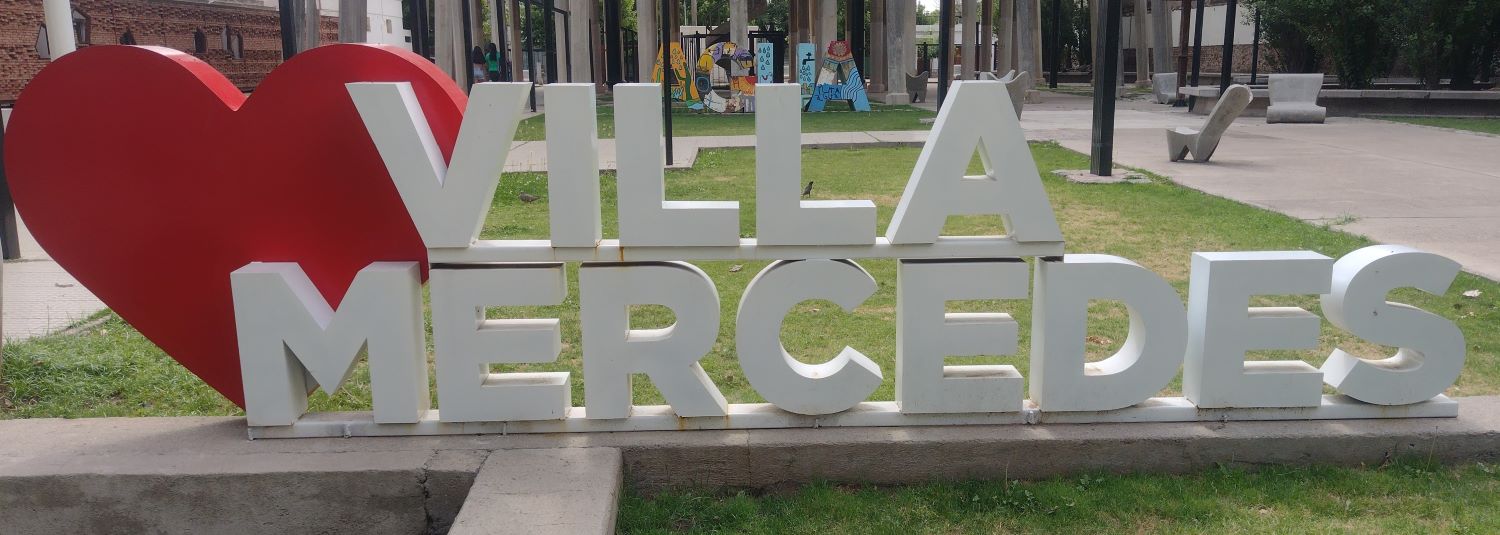
Villa Mercedes, Argentina, with a population of around 133,000, was founded as a post station in 1706 or so, the locals jokingly called it Las Pulgas (the fleas), then in 1752 the process to establish the town began. Villa Mercedes was named "Río Quinto" because the river Quinto runs alongside and through part of the town. It was founded in 1856, then in 1861 was named Villa Mercedes in honor to Virgen de las Mercedes (Our Lady of Mercy). The town is located right in the middle between Córdoba and Mendoza. My first blog of VM has the full history of the town. I find it a nice stop-over when traveling between those two cities.
Read More
Córdoba – A City Founded by Disobedience
October 18, 2026

Córdoba, Argentina, population of around 1,500,000, sits in central Argentina. The metropolitan area has around 1,650,000 people. It is historically known as "La Docta" or "The City of Bells."
Growing Pains
Córdoba was founded by Jerónimo Luis de Cabrera, from Seville, Spain, in July 1573, as a Spanish settlement that would serve as a refuge from the indigenous people, allowing the Spaniards to move and trade freely along the route between the silver mines of the Andes and the Río de la Plata. Cabrera had actually been ordered by the Viceroy of Peru to found a city much farther north, but he chose this fertile valley on the Suquía River instead and named it after his wife's hometown in Andalusia. The disobedience cost him his life. His successor as governor had him tried for insubordination, and he was executed in 1574, barely a year after founding the city.
Read More
Santa Fe: The Cathedral That Never Was, and Other Santa Fe Leftovers
October 14, 2026
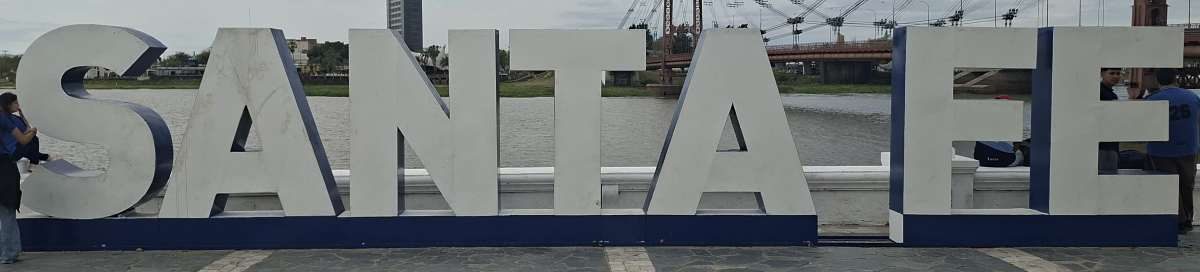
Santa Fe, Argentina, population of about 405,000, the metropolitan area has around 532,000. Those are surprisingly large numbers, the city center is not huge and is easily walkable. One big difference here from the other cities of Argentina - far fewer trees. Most cities and towns in Argentina have sidewalks lined with trees. Here, the downtown has trees only in the plazas. The residential neighborhoods have quite a few tree-lined streets, though. This town has a long railroad history, and you can see many pics in the photo album.
Read More
Buenos Aires: Two Days in the Paris of America
October 10, 2026
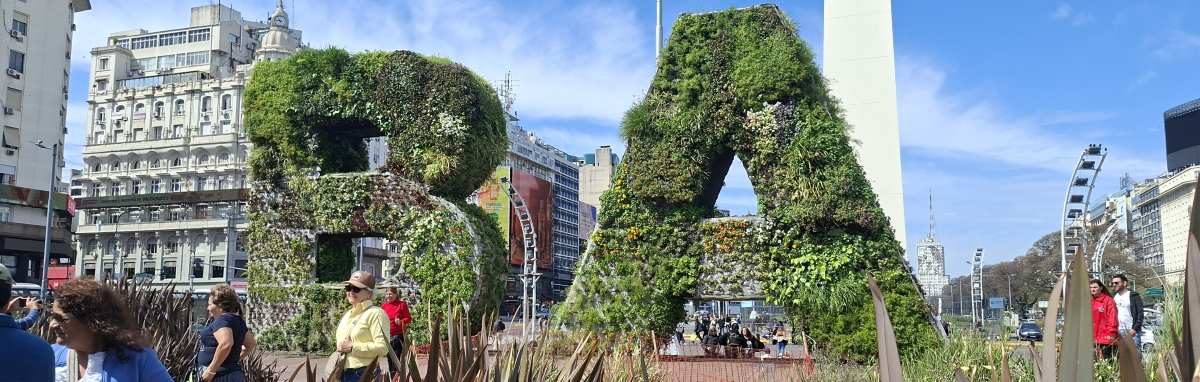
I arrived in Buenos Aires (Santa María del Buen Aire) via the ferry from Colonia del Sacramento, Uruguay. Buenos Aires is a big city of about 13.4 million. Within that greater metropolitan area is the "smaller" city of Buenos Aires, with about 3.1 million. When I left the ferry terminal and walked to the city center I was rather disappointed in what I walked through. That part of the city is nothing special. Then, as I continued, I passed through some of the historic district, again a bit disappointing - dirty, too many people sleeping on sidewalks. Eventually, I arrived in the city center and things changed a lot - the city became what I expected of BA - very old, clean, and interesting. The city center is loaded with very old buildings and I found to be more interesting than the official historic district. NOTE: You will find people here speak with the Rioplatense accent. This is an accent of Spanish common throughout the greater Buenos Aires area and also heard in Uruguay. If you come across a person with a thick accent, there's a good chance you won't understand them, I sure don't. It's almost as if they're sticking an 'sh' or 'zh' sound between every other syllable. Don't expect to find many who speak a "clean" Spanish, and even fewer who speak English or any other language. I did come across a young woman who speaks very good English, she works in a store that sells wine and other alcohol, but mostly wine. I didn't buy any, and we chatted for a while. I also came across a couple of restaurant servers who attempted to use English, but they were just individual words, not full sentences.
Read More
Colonia del Sacramento: Walls, Lighthouses and a Bullring
October 6, 2026
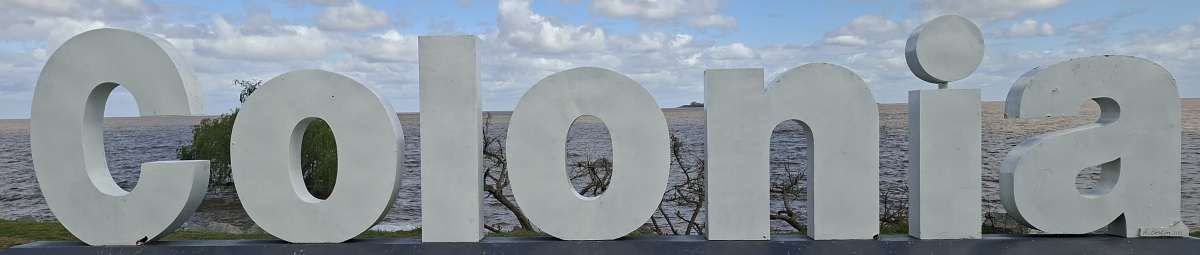
Colonia del Sacramento, Uruguay, has a population of about 33,000. It sits a couple of hours west of Montevideo. The town is very historic. The town's historic center is a UNESCO World Heritage Site. It's a small town sitting at the estuary where the Río de la Plata (the River Plate or the Plate River) dumps into the Atlantic Ocean. Google Maps has it labeled incorrectly at this part of the river. Also, this is where you cross from Uruguay to Argentina by ferry.
Read More