There are 498 blog posts for you to enjoy.
Alberdi, Paraguay
April 22, 2023
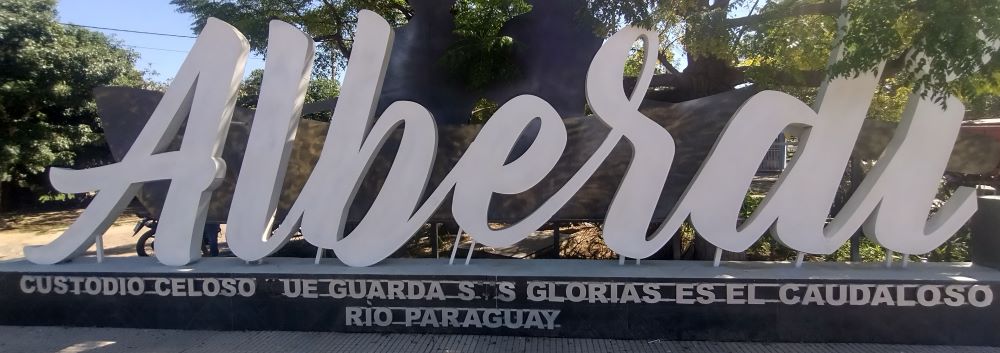
Alberdi, Paraguay, population: a bit less than 10,000. Alberdi sits at the edge of the Paraguay River and across from Formosa, Argentina. I was in Formosa and from there to the Asunción area there are two routes: north via bus or cross the river to a tiny pueblo called Alberdi then bus north. I chose the more interesting route - the ferry to Alberdi. The Paraguay river wraps around the city on three of its sides. Now they have a substantial levy around the city but in the past they have endured floods which resulted in many residents leaving the town. The regioin of Paraguay near Alberdi is more water than land. There are a few farms but for the most part is all mangroves, estuaries, wetlands.
Read More
Formosa, Argentina
April 21, 2023
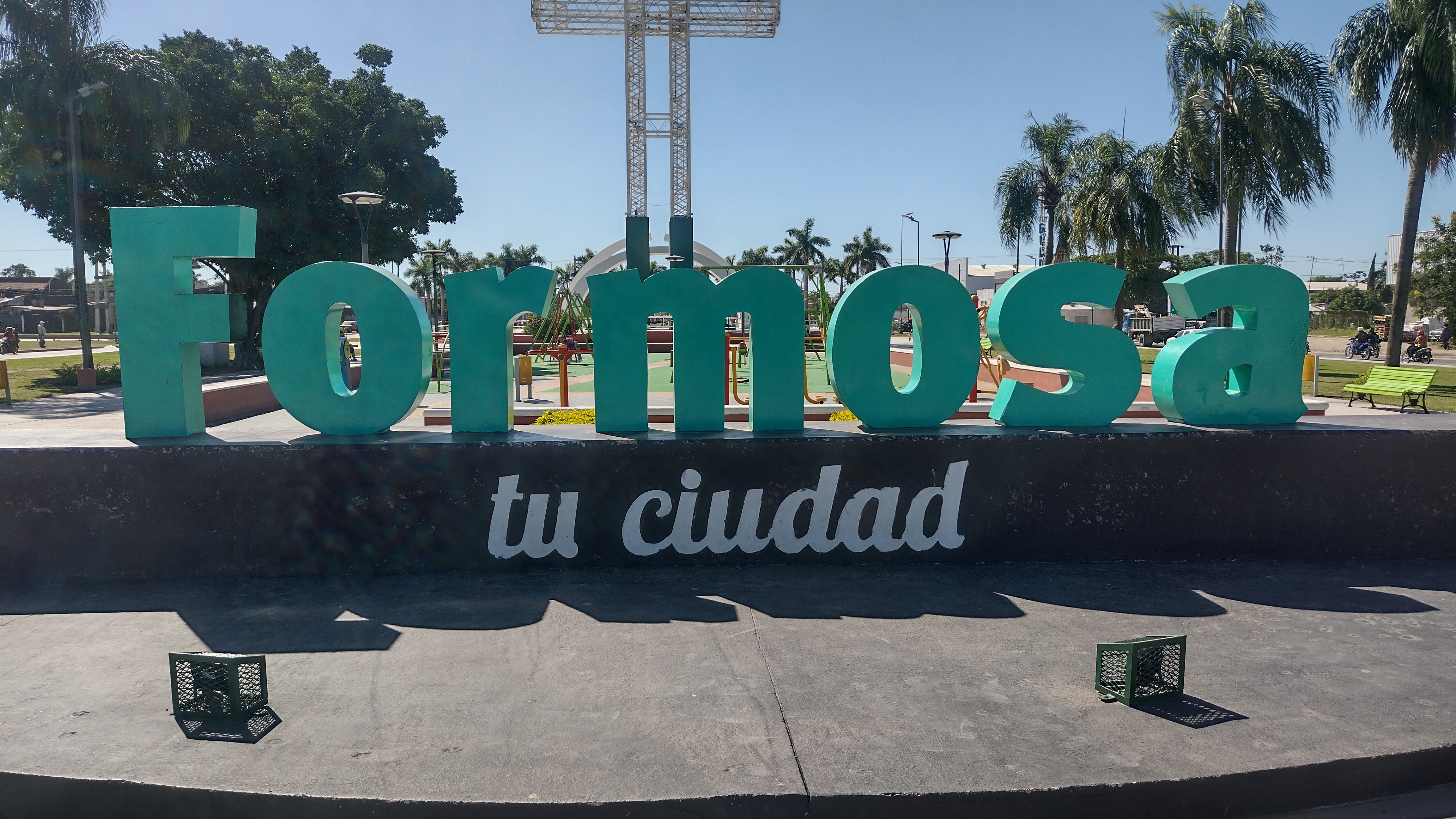
Formosa, Argentina, population: about 235,000. Formosa is located at the border of Argentina and Paraguay south of the capital Asunción. Formosa was founded in 1879 when Commander Fontana founded a settlement. The word 'formosa' is the archaic form of the modern Spanish word 'hermosa' which means, in English, 'beautiful'. All the way back into the 16th century, early explorers called this area 'Vuelta Fermosa' or 'Vuelta la Formosa.' This was the area where the city now sits at a turn in the Paraguay River. Those early explorers searched for the legendary 'Sierra de la Plata' or 'mountain of silver'.
Read More
Tartagal, Argentina
April 18, 2023

Tartagal, Argentina, population: about 65,000. Tartagal is located at the base of the Andes Mtns and the Yungas Jungle on the west and the wide-open plains of the Chaco to the east. This mix allows for a very wide variety of native plants and animals. There are also eight different groups of indigenous people who live in this region. This area is also home to the Military Macaw, and this is one of the very few places in the world where it is not extinct in the wild.
Read More
Salvador Mazza, Argentina
April 18, 2023
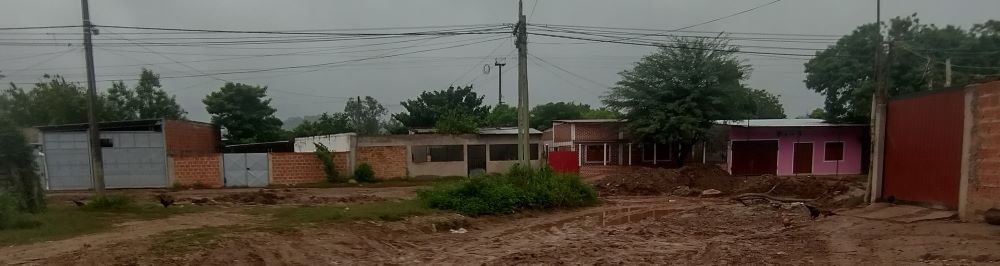
Salvador Mazza, Argentina, population: about 20,000. Salvador Mazza is located at the border of Argentina and Bolivia. The municipality of Salvador Mazza was created in 1951 after Argentina and Bolivia finalized the border between them. The man, Salvador Mazza, was a professor and medical scientist who co-discovered trypanosomiasis. He later died of that same disease.
Read More
Orán, Argentina
April 15, 2023
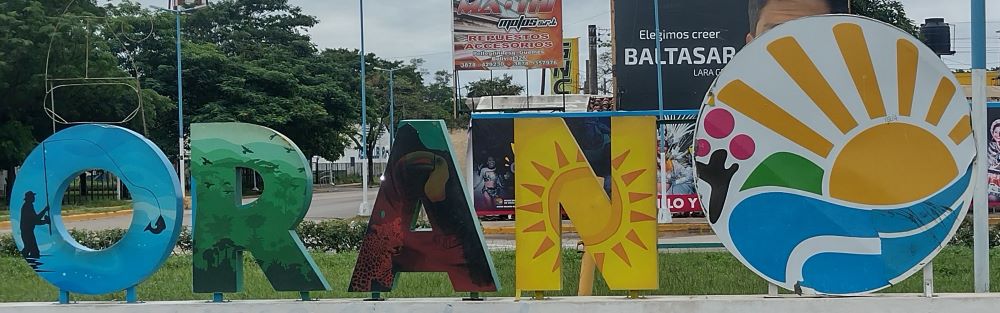
San Ramón de la Nueva Orán, Argentina, population: about 76,000. Orán is a political center for the department of Salta, it has a federal courthouse, as well as banks, universities, and other important offices. It is a commercial center of northern Salta province. Orán is the center of an important agro-industrial region: sugar cane, used mostly for the production of sugar in the Tabacal sugar mill. Tabacal a town near the city. Other important commodities include citrus, mainly oranges and grapefruit.
Read More