There are 498 blog posts for you to enjoy.
Sáo Borja, Brazil
May 19, 2023

São Borjas, Brazil, has a population: 60,000. It is located at the eastern border of the Southern Region, across the Uruguay River from Santo Tomé, Argentina. Two former Brazilian Presidents were born here so the city was nicknamed "Land of Presidents". The city has two museums of former Presidents artifacts in their own former homes. There are two other museums, one that displays local artifacts from the town's history and the other display early missionary and indigenous collections. The main church at the center plaza is interesting not because of its antiquity, its not old, but because it reminds me of hobbit houses, check out the pic in the photo album. (Note: The São Borja sign above is not my pic, I walked all over this city and couldn't find that sign, I think it must be located somewhere out on one of the roads entering the city.)
Read More
Posadas, Argentina
May 17, 2023
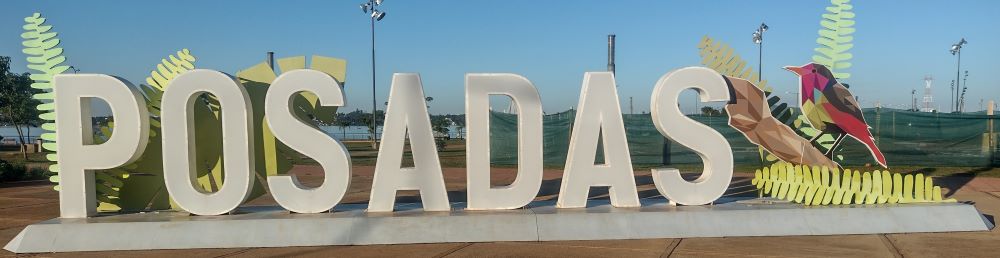
Posadas, Argentina, has a population: 275,000, and the metropolitan area is 320,000.
Yes, I'm in Argentina, again. Not because I liked it so much I just had to come to see more, but because I have to pass through here to get to Uruguay.
Read More
Encarnación, Paraguay
May 15, 2023

Encarnación, Paraguay, has a population: 140,000, but the metropolitan area is around 226,000, and if you include Posadas, Argentina, directly across the river, the population is about a half-million. Encarnación is located at the very south tip of Paraguay and is directly across the river from Posadas, Argentina. There's a bridge crossing the border and the bridge includes a track for a train that runs between the two cities. The line of cars can be hours long, but the wait to cross by train is minutes.
Read More
Ciudad del Este, Paraguay
May 12, 2023
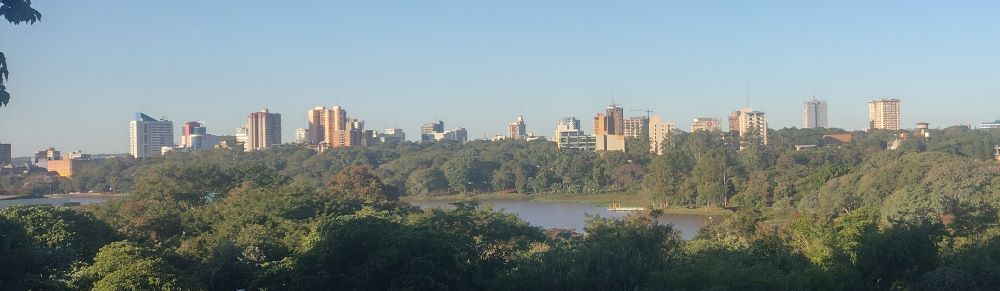
Ciudad del Este, Paraguay, has a population: 310,000, but the metropolitan area is around half-million. The city was founded in 1957. Because it's a new city it has no interesting architecture, no interesting cathedral or major church, and no central plaza. The city sits along the banks of the Paraná River, which is also the border between Paraguay, Brazil, and Argentina. Upriver from the city a few kilometers is one of the world's largest hydroelectric dams. A few kilometers south of CDE the Iguazú branches off the Paraná River. The Iguazú River is the location of the famous Iguazú Falls, and this river forms the border between Brazil and Argentina. Ciudad del Este can be translated, literally, to City of the East because it is the eastern-most city in Paraguay, so is also known as the city of the rising sun.
Read More
Villarrica, Paraguay
May 8, 2023
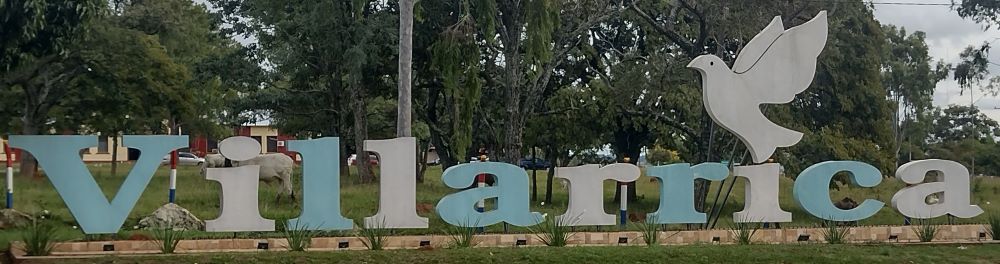
Villarrica, Paraguay, has a population: 52,000, and was founded in 1570. When the city was founded the name was Villa Rica del Espíritu Santo (Villa Rica of the Holy Spirit). It has also been known as the "wandering city".
The city was founded by Ruy Díaz de Melgarejo after left the town of Ciudad Real with 40 men and 53 hourses. They headed east to an area where he expected they would find riches of gold and silver. In May 1570, he found an area he liked and founded the town. But, the town was being attacked by other groups of people, so he relocated it, six times! He moved the city in 1592, 1599, 1632, 1642, 1678, 1682. In May 1701, the town was officially settled and founded with the help of Franciscan missionaries.
Read More