There are 498 blog posts for you to enjoy.
Coronel Oviedo, Paraguay
May 6, 2023
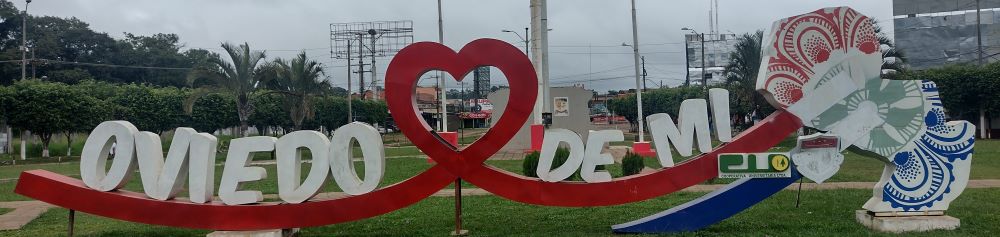
Coronel Oviedo, Paraguay, population: 72,000, but the metropolitan area/district is about 170,000 people. Oviedo is located midway between Asunción and Ciudad del Este (the two largest cities in Paraguay), and pretty much dead center in the southern half of the country. Therefore, its location makes it an important crossroads for anyone traveling east-west or north-south.
The city has a philharmonic orchestra (more than 40 members) and the Coronel Oviedo Cultural Society. The Cultural Society is mostly young people who dedicate time and energy to the audiovisual arts. Because of the work they have done, Oviedo is considered one of the main cities in Paraguay dedicated to cinema. The Cultural Society is also the organizer of the country's longest-running short film festival, the "National Short Film Competition", which has been running since 2005.
Read More
Caacupé, Paraguay
May 5, 2023
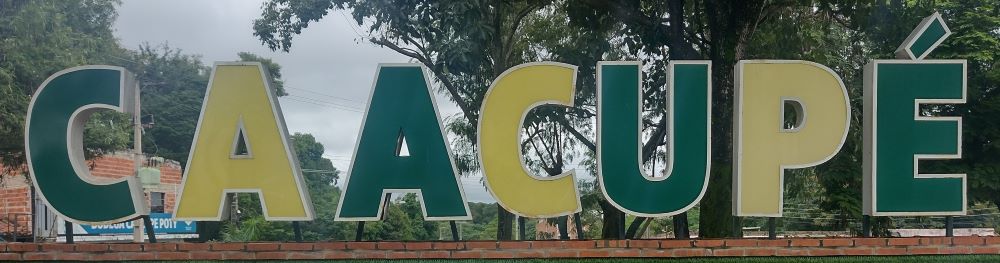
Caacupé, Paraguay, population: 26,000, but the metropolitan area/district is about 57,000 people. The nickname for the city is "Spiritual Capital of Paraguay". The church is the Minor Basilica of Caacupé and it receives many thousands of people coming here for the celebration of the Immaculate Conception of Mary, December 8. The church is of a stiking architecture, check out the pics in the photo album.
Read More
San Bernardino, Paraguay
May 2, 2023

San Bernardino, AKA San Ber, Paraguay, population: about 12,000 people (although the Wikipedia claims double that). The source their pages typically refer to is citypopulation.de, and I also use that page, but for this town, San Ber, the data doesn't match.
Read More
Asunción, Paraguay
May 1, 2023
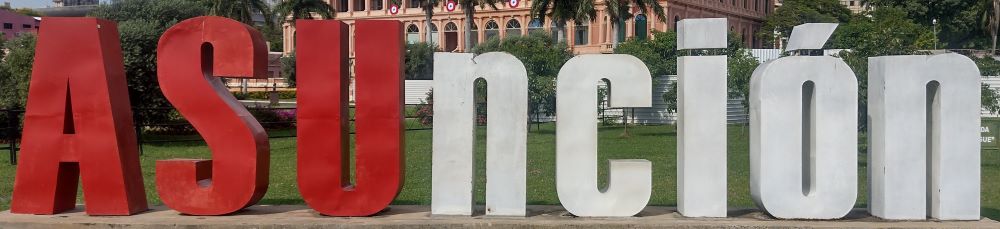
Nuestra Señora Santa María de la Asunción, Paraguay, (Asunción), population: about a half million people. In the metropolitan area are more than 3 million. The city was founded in August 1537, so it is one of the oldest cities in South America. It is considered to be the third safest city in South America, after Buenos Aires and Santiago. Though, and this is interesting, I have been warned several times by people who live in Paraguay that I should avoid Buenos Aires because of the crime. It is also considered to be one of the cheapest capital cities in the world to live in. Asunción has many museums, a riverside beach, and a soccer stadium that seats a bit more than 46,000 people.
Read More