There are 498 blog posts for you to enjoy.
El Carmen, Argentina
April 4, 2023

El Carmen, Argentina, population: about 15,000, it was 12,000 in 2001, so has it grown that much in the intervening years? I don't know, but there you have it.
The area where El Carmen sits had been occupied by various indigenous groups for many years before the Spanish arrived and conquered all of them in the mid-1500s. The town grew from a farm that originally belonged to a man named Estancia San Juan. By 1875 the farm had fallen into disrepair and Virgilio Figueroa and his wife took possession of the farm. It wasn't any small farm, it was 8000 hectares (about 19,800 acres). They rebuilt the farm and made it a successful and thriving ranch with crops and 7000 head of cattle. The farm had a store for the workers to buy the supplies they needed as well as a blacksmith shop. They had a sawmill which eventually served as both lumber production and a power plant after it was upgraded with a steam boiler. Many people started moving into the area and the farm grew into a town.
Read More
Palpalá, Argentina
April 3, 2023
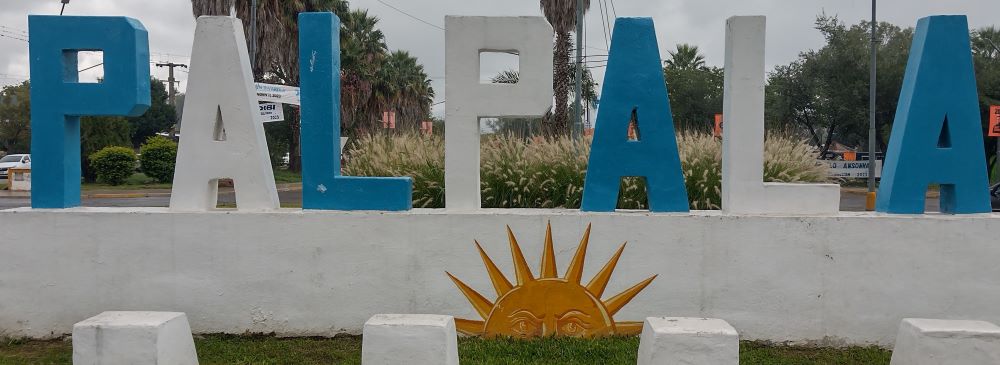
Palpalá, Argentina, population: about 65,000 for the entire metropolitan area. Palpalá is a relatively new city having been founded in April 1948.
The city came to be when the steel production factory was founded here. That was followed by many other industries including a borate processing plant, a sulfuric acid factory, a lead smelter, and various metal smelters and plastics factories, as well as others. The nickname of the city is "Mother city of industries."
Read More
San Salvador de Jujuy, Argentina
April 2, 2023
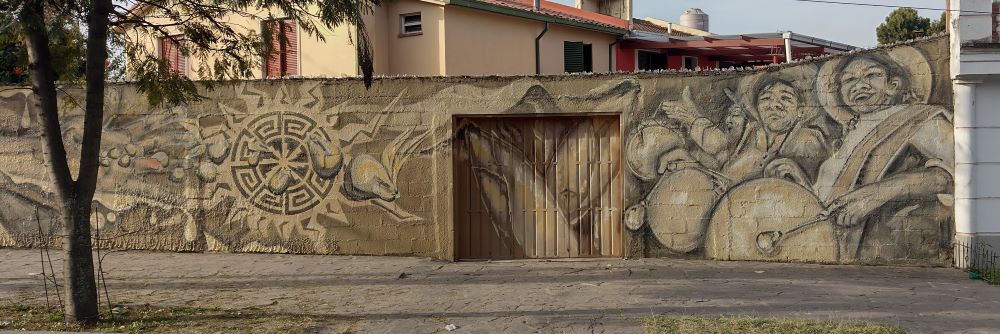
San Salvador de Jujuy, Argentina, population: about 300,000. Jujuy is located in the far northwest of the country.
This area was inhabited by a group called Jujuí. Then around 1420, the Incas conquered them. The Jujuíes put up strong fights against the Incas but eventually the Incas won. Then in the 16th century, the Spanish came into the area and fought the Incas. After three battles between the Incas and the Spaniards, the Spaniards finally won. In 1810, the War of Independence started and Jujuy was right in the center. In 1812, a general led all the citizens of Jujuy out of town just before the Spanish attacked, this became known as the Jujeño Exodus. From the late 1800s into the early 1900s the city saw a huge influx of people which led to overcrowding in the city.
Read More
San Pedro de Atacama, Chile
March 31, 2023

San Pedro de Atacama, Chile: population: about 11,000.
The town is supported by tourism and that is very obvious when you visit. I heard people talking in many languages, and it appears most are in their late 20s or 30s. I spoke to one, a man from Ireland, and he said he's met at least five people from the US on his journey. I realized today that my journey of South America starting in Colombia and going south is the opposite of what most people are doing. And there's this - everyone I have met and talked to in the past 4 months has been heading north. I have yet to meet anyone else going south. Anyway, San Pedro is very small, something like 12,000 people. There is one supermarket, and one or two gas stations out on the highway. But, there are many, many, many shops catering to tourists.
Read More
Calama, Chile
March 30, 2023

Calama, Chile: population: about 195,000. That population number includes several mining communities and other villages out in the desert in this general area. Calama's main source of economic support is copper mining. There is one very large open pit mine that has been in operation for more than 100 years. It is in the process of changing to underground mining.
Read More