My Books on Amazon






There are 72 blog posts for you to enjoy.
Cuenca, Ecuador
January 3, 2023

Cuenca, Ecuador: The area of Cuenca has been inhabited all the way back to 8060 BC. Yeah, there is archeological evidence of inhabitants in this area, specifically in the cave called Chopsi. That culture was most evident around 5585 BC. Beginning around 2000 BC the people started organizing their society with delegated responsibilities, administration, and religious authorities (shamans). From around 500 AD until around 1500 the Cañri and Tacalshapa III people were absorbed into the Inca civilization. Archeologists believe Cuenca was founded around 500 AD. The Spanish settled the area and called it Cuenca in 1557. It became an independent city in 1820. Now, the city has a population of around a half-million, with around 5000-7000 expatriates of all nations living in Cuenca.
Read MorePuyo, Ecuador
January 1, 2023
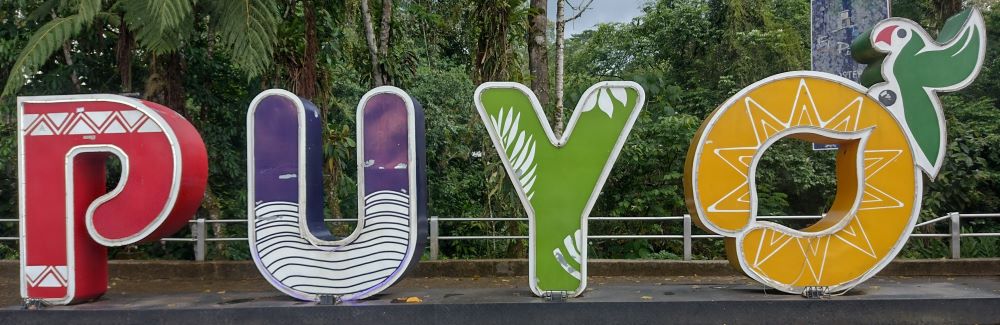
Puyo, Ecuador: Puyo, dating back to 1899, sits next to the Puyo River, which dumps into the Pastaza River which dumps into the Amazon River. The population is around 37,000 in the city, but the entire metropolitan area has around 62,000 people. The city sits at the base of the foothills of the Andes Mountains at 930 meters (3051 feet) above sea level. The history of the area actually goes back to 1797 but thats a rather convoluted story filled with political dealings. It was in the middle 1900s that the city started to grow with any significance. Its economy is based on trade, tourism, and agriculture.
Read MoreAmbato, Ecuador
December 28, 2022
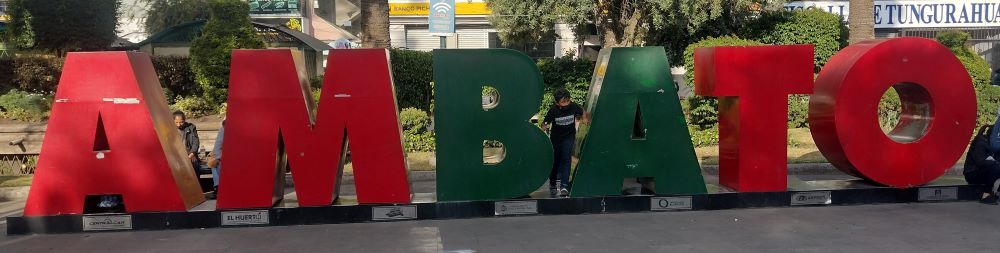
Ambato, Ecuador: "The city of flowers and fruits" is in a high valley in the Andes Mountains, south of Quito and north of Cuenca. The city has a population of around 170,000, but the entire metropolitan area, which includes several other small cities, raises it to close to half a million. The city sits at an altitude of 2580 meters (8465 feet). There is evidence of the area being peopled going back about 2000 years. There were several indigenous tribes co-existing in the area until the 14th century when the Incas came in. Then they came to their end when the Spanish conquistadores arrived. The town of Ambato was first named in 1534. In 1570 they set out delineating the streets and plazas and where the church would be built. The church construction started in 1603. In 1698 the city was virtually wiped out by an earthquake that killed more than 550 non-indigenous people and over 1200 indigenous people. The second town of Ambato was founded in 1698. By 1756 there were about 6500 people living in Ambato. But, in 1797 another earthquake wiped out the town for the second time. More than 200 people died. Ambato was refounded, again, this time in 1698. By 1785 it had a population of more than 52,000. In 1755, Ambato received one of the first printing presses in South America. Then, in 1949, was yet another devastating earthquake. This one destroyed the neighboring towns and about a third of Ambato. The estimated death toll was as high as 2700. The church was destroyed and replaced with a new cathedral in 1954. To help people recover, in 1950, the city held a festival called "Festival of fruits and flowers" which has continued every year since. Now it is part of the yearly carnival.
Read MoreQuevedo, Ecuador
December 26, 2022
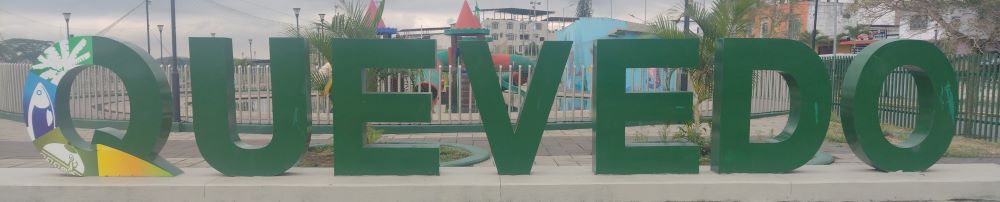
Quevedo, Ecuador: Quevedo has a population of around 150,000. This small city has a bustling city center that is walking-friendly—very wide sidewalks with lots of benches and many statues of animals make it fun for children. The main industries in this area are agriculture and livestock. The name "Quevedo" comes from a surveyor named Timoteo Quevedo. He was the first to measure the lands of what would become the city. After that, they started rubber production in 1857 and the city took off from there.
Quevedo dates back to around 500 BC and those people lasted until the Spanish conquistadors wiped them out in 1526.
Read MoreMilagro, Ecuador
December 24, 2022

Milagro, Ecuador: Around 135,000 live in the city of San Francisco de Milagro. The city is known as the "sweetest land in Ecuador" because of its sugar cane and pineapple farming. Milagro sits about 45 kilometers (28 miles) east of Guayaquil and is considered a bedroom city of Guayaquil.
Milagro dates back to 1786. The story is that a couple, María de Salcedo and her husband Don Miguel de Salcedo, had moved from the mountains down into the plains of the river, and María got sick. An indigenous neighbor gave Don Miguel some roots and told him how to make a potion with them, which he did, and he gave the potion to María. She was healed of the deathly illness. The people living in the area began calling their home "the house of the miracle." In 1786, Don Miguel asked the governor of Guayaquil if they could name the area of their home and neighbors "Milagro" (miracle). And so started the town of Milagro.
Read More
I used to teach English as a foreign language in Barranquilla, Colombia. Now I'm retired and traveling throughout South America.
I'm from Kennewick, Washington, USA. In my previous life, as I call it, I was an IT guy, systems administrator, computer tech, as well as a shipping/receiving guy and also worked as a merchandising guy in a RV/Camping store.