My Books on Amazon






There are 118 blog posts for you to enjoy.
Mazamari, Perú
July 27, 2023
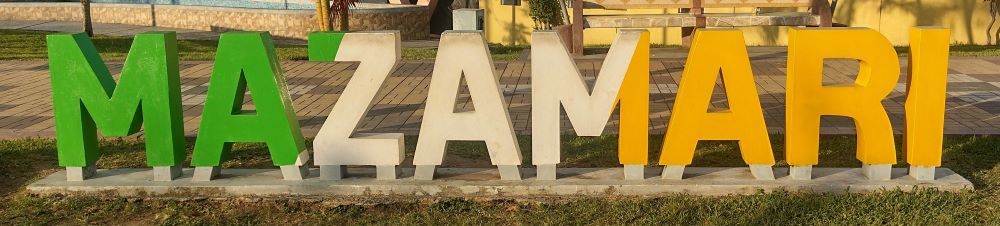
Mazamari, Perú, has a population of about 45,000. This is my second visit to Mazamari because I like it enough to visit twice and put it on my top 10 list of potential new home towns.
I wrote about Mazamari here in my blog dated February 18, 2023, so you can read the complete story there. This time I am revisiting and seeing a bit more of the town. I have now met two people here that speak at least some English, though barely conversational. Back in February during my visit there was one afternoon rain shower, and now in my first two days here there has been rain showers both afternoons. They are typically short and often heavy. I hiked to the top of the antenna hill with a friend and her daughter, the hill is at the edge of town. I took a few pics of the city, they're in the photo album.
Read MorePaucarpata, Perú
July 19, 2023

Villa de Santa Cruz de Paucarpata (Paucarpata), Perú, has a population of about 132,000. Paucarpata is the direct neighboring city to Arequipa. The two make up one large metropolitan area with a population of about 200,000.
Read MoreIlo, Perú
July 17, 2023
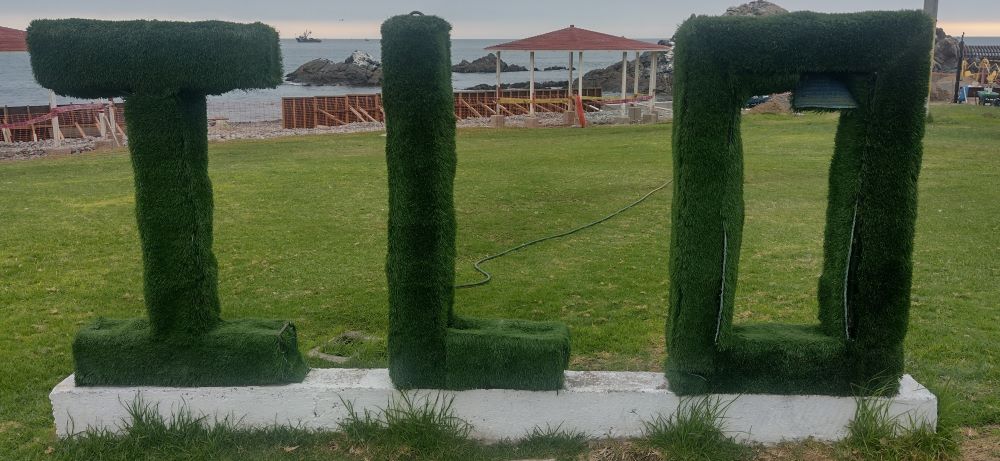
Ilo, Perú, has a population of about 67,000. Ilo is a coastal town but not a beach town, as you can see in the photos in the photo album, there is no actual beach here. There are a couple gravel/rock 'beaches' and north of town is the area called Pacocha, which does have a beach.
Read MoreTacna, Perú
March 24, 2023
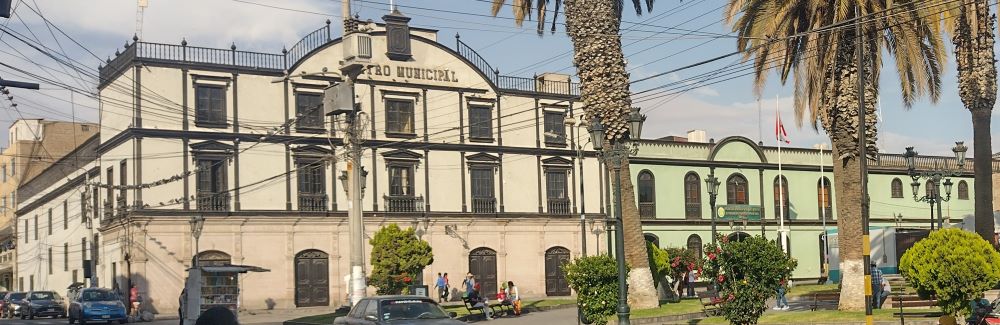
Tacna, Perú: population: about 325,000. Tacna is a desert city in the far south of Perú. Tacna was founded in June 1855.
The Tacna area has been occupied for many centuries by various indigenous groups. Around the year 800 the Incas came into the area and "settled" it. Then later, the Spaniards arrived and they "settled" it, again, in 1572. The first church was built in 1679. Over the years there had been many wars and battles between Perú and Chile and Tacna was typically right in the middle of them all. It wasn't until 1929 that the Tacna region was incorporated into Perú.
Read MoreMoquegua, Perú
March 18, 2023

Moquegua, Perú: population: about 90,000. When the Spanish founded the city they gave it the name "Villa de Santa Catalina de Guadalcázar del Valle de Moquegua." The date of its founding is questionable. First, though, the pronunciation of its name is 'moh - kay - wah'.
Moquegua and the valley it sits in has been inhabited for a very long time. There were several successive cultures over thousands of years before the Incas conquered the Wari people. Archeologists have found a site they date back to 3500BC that includes habitations and workshops. Over the centuries various groups have inhabited the valley and the nearby mountains and hills. The Wari developed terraced farms along the hillsides. Then along came the Incas in the 15th century. They conquered the Wari and the other groups of indigenous peoples. Then a century later the Spanish arrived and conquered the Incas. As for the founding date of Moquegua, that is uncertain. According to traditions passed down it was in November 1541. The city name was changed to Moquegua in 1821.
Read More
I used to teach English as a foreign language in Barranquilla, Colombia. Now I'm retired and traveling throughout South America.
I'm from Kennewick, Washington, USA. In my previous life, as I call it, I was an IT guy, systems administrator, computer tech, as well as a shipping/receiving guy and also worked as a merchandising guy in a RV/Camping store.