My Books on Amazon




There are 116 blog posts for you to enjoy.
Lima, Perú
April 3, 2024
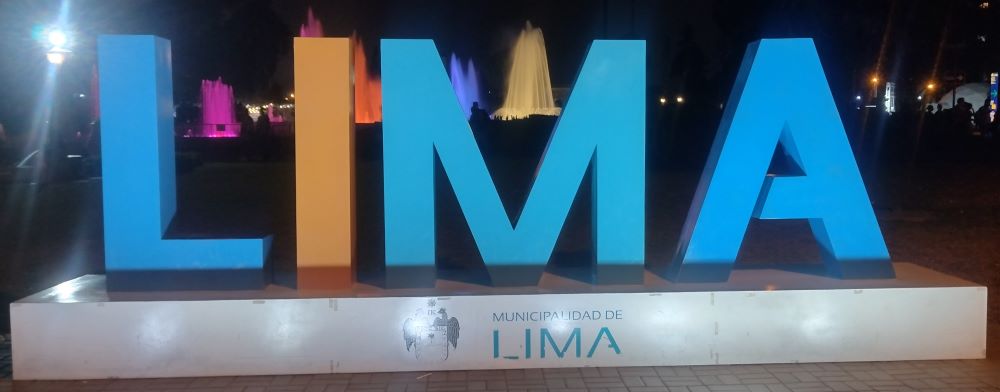
This is my second visit to Lima and I wrote a full blog about it on my first visit here. Therefore, I won't take the time to rewrite what's already written. This time I arrived at the North Plaza bus station and had originally planned on walking across the north of the city and staying in a hostel there, but I changed my mind as I was going along the route—it wasn't such a great place to stay. So, I turned south and walked to the city center. I found the hostel I had planned on staying at and asked for a room but they had nothing available except a bed in a dormitory with a shared bathroom. I left that place and went to another hostel two blocks away and they have private rooms and dormitories, but none of the rooms have private bathrooms. But, after already walking 10+ kilometers with my backpack (13 kilos/30 pounds) I decided to take a private room in that hostel.
Read MoreChancay, Perú
March 31, 2024
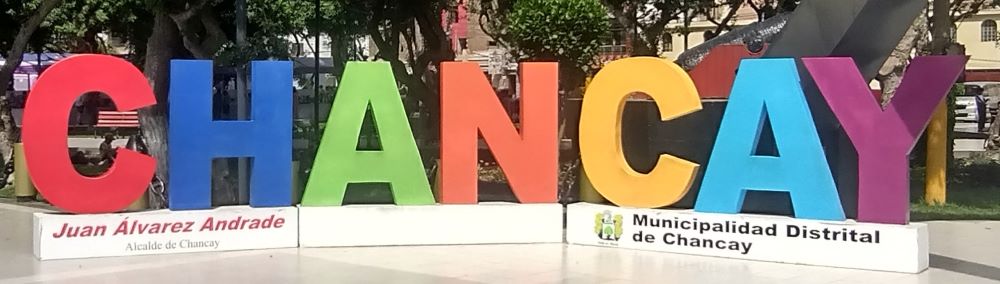
Chancay, Perú was founded in 1562 under the name Villa de Arnedo. The Chancay district has a population of around 60,000.
The main activity in Chancay these days is as a tourist resort. The main attraction is El Castillo, a faux castle, recently repaired but constructed in the nineteenth century. There is a small museum in the castle displaying Chancay culture pottery and mummies. It is a theme park which has tour guides that lead groups through to see choreographed acts in a couple different sections, there are restaurants, and in the center is a stage where you can see various acts from traditional dances to magicians to soccer ball tricksters. It's a great place for families, but for a single person, alone, well, it was interesting for a little while. It has a couple of swimming pools and great views of the beach and port. There are lots of phots in the photo album.
Read MoreHuacho, Perú
March 30, 2024
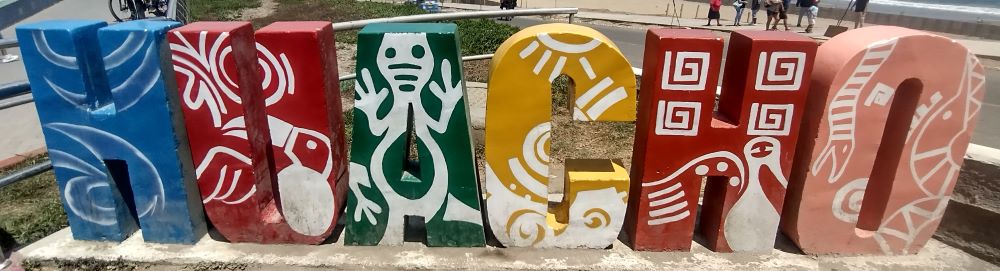
San Bartolomé de Guachu, now known as Huacho, Perú was founded in 1571 under the Viceroy Francisco de Toledo of Spain. It started as a 'reduction' - "a grouping into settlement of indigenous people for the purpose of evangelization and assimilation" according to the Dicionario de la Lengua Espanola. The town has a population of around 92,000 and sits on the coast. The beach is just a matter of a few minutes walk from the center of the central business district.
Read MoreSupe, Perú
March 29, 2024
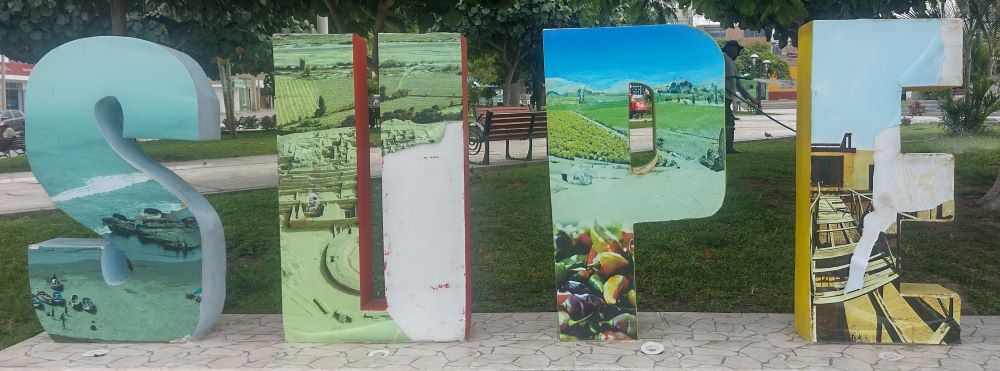
Supe, Perú and was founded in 1819 as Campiñña de Supe, and is located about 3 hours north of Lima. The district of Supe was created in 1857. The population is around 29,000. This area has been inhabited for about 5000 years. The Spaniard founded the town in 1540.
The town's history is a bit sketchy but here is what I have found:
The name Supe comes from the ancient indigenous people called the Supac. They had a town near the current city of Supe but it eventually was destroyed. The information doesn't specify how it was destroyed, but the town was rebuilt in a slightly different location with the name Supac. Eventually, the Spaniards arrived in 1540 and they renamed the town Supe. Supe was the first town in Perú to declare independence from Spain and that was in 1819. In 1893, the town was relocated.
Barranca, Perú
March 26, 2024
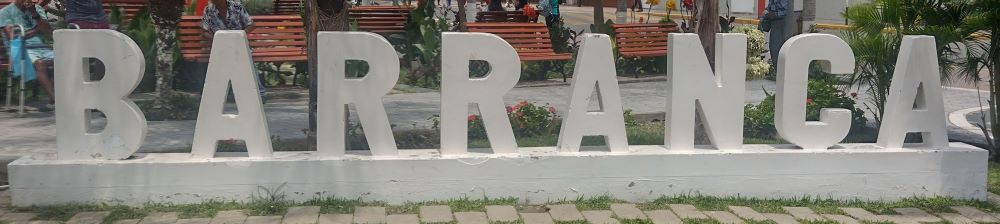
Barranca, Perú and was founded in 1823 as a district. The area the town sits in has been inhabited since the pre-Inca era. The town has around 60,000 people, and is located some 175 kilometers north of Lima.
The historical name of the town is "Guamanmayo" which dates backs millenia. That name came from the Quechua language and means "River Sparrowhawk". The Spanish chronicler Pedro de Cieza de León, visited the town of Barranca in 1547 and called it "Valle de Guamán" which in Spanish means "Río del Halcón" or "River of the hawk". According to tradition the original town of Guamanmayo was located a couple of kilometers east of the current city, according to notes from the Spanish governor Vaca de Castro in 1543. At that time the town had taken the name "Karanca" which over time has become Barranca. Prior to 1543BC, the communities were characterized by dedicating themselves to activities such as horticulture, construction of houses with terraces, and working in groups on farms. They were known for making ceramics, they lived a mostly sedentary lifestyle, and where known for cotton weaving.
Read More
I used to teach English as a foreign language in Barranquilla, Colombia. Now I'm retired and traveling throughout South America.
I'm from Kennewick, Washington, USA. In my previous life, as I call it, I was an IT guy, systems administrator, computer tech, as well as a shipping/receiving guy and also worked as a merchandising guy in a RV/Camping store.