My Books on Amazon





Rioja, Perú
July 24, 2025
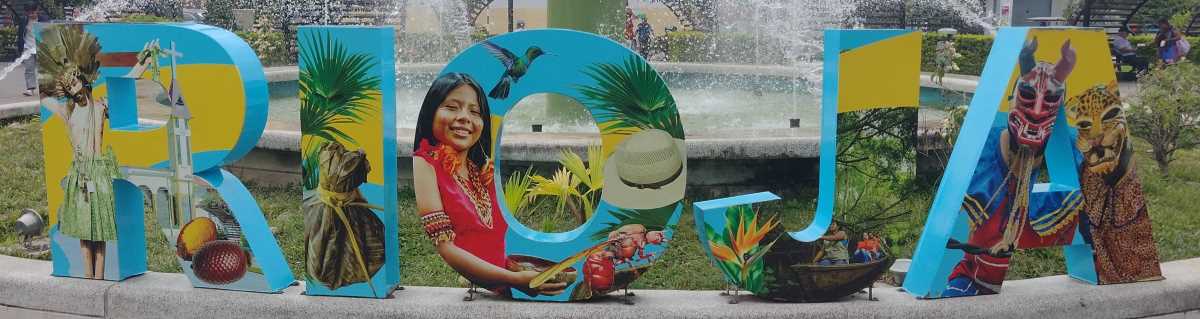
Rioja, west of Moyobamba, is a town of about 25,000. It has a much larger commercial area than I expected for a town of this size. The town sits at about 850 meters (2782ft) and has a near-perfect climate, same as Moyobamba.
The area was originally inhabited by pre-Inca indigenous groups, notably the Uquihuas, Chepenes, and several others like the Iranari and Soritor tribes. They thrived through hunting, fishing, and subsistence agriculture. Rioja was officially established in 1782, under the name Santo Toribio de la Nueva Rioja. This was initiated by Bishop Baltasar Jaime Martínez de Compañón and corregidor Juan José Martínez de Pinillos, in conjunction with Félix de la Rosa Reátegui y Gaviria. The name honors Saint Toribio and the founder's home region in La Rioja, Spain. Following Perú’s declaration of independence, Rioja played a dramatic role in regional liberation: In September 1822, patriotic troops led by Lieutenant Colonel Nicolás Arriola passed through, engaging in three major clashes near Rioja: the Battles of La Ventana, Tambo del Visitador, and Rioja. These victories contributed to the eventual liberation of the Alto Mayo region. In 1845, Rioja earned the title "villa" (town), and on September 21, 1868, the settlement was officially granted city status. In 1935, it became the capital of its district which included several other towns.
As for tourist activities, Rioja serves as a gateway to some truly beautiful natural attractions:
-Laguna de Mashuyacu: A tranquil lagoon surrounded by dense greenery. It's an ideal spot for birdwatching or simply unwinding in nature's peaceful embrace.
-Nacimiento del Río Tioyacu: Crystal-clear waters gush from natural springs, forming serene swimming pools shaded by towering trees. It's the perfect place to escape the heat and enjoy a cool dip.
-Chuchu Center Waterfall: Accessible trails lead you through vibrant jungle landscapes to this secluded cascade. It's refreshing, picturesque, and well worth the moderate hike.
Rioja's surroundings offer numerous trails that pass through coffee farms, fruit orchards, and small indigenous communities, providing insight into rural Peruvian life and agriculture.
The region is known locally for producing high-quality organic coffee, grown sustainably in small-scale farms scattered throughout the countryside. Several local cafés serve freshly brewed cups from beans grown right in the surrounding hills - rich, aromatic, and incredibly smooth.
Rioja keeps alive vibrant cultural traditions, especially evident in its annual celebrations. Each June, the city hosts the lively Festival de San Juan, marked by traditional dances, colorful parades, and delicious local food. This festival highlights Rioja's proud identity and welcoming atmosphere.
Visitors come here for tranquility, genuine connections with locals, pristine nature, and the simple joy of sipping coffee in a small-town plaza as the day unfolds slowly around them.
It's a place to reconnect - with nature, with local culture, and perhaps even with yourself.
If you're searching for that elusive corner of Peru not yet overrun by tourists, Rioja might be exactly the hidden gem you're looking for.
Yes, those last two statements are very much brochure-esque, so here is what I got from my visit - Rioja is a pleasant town, busy enough that you'll find pretty much any you'll need. Many restaurants, banks, the town plaza, lots of ice cream shops. The people say 'hi' as you pass in the streets. But, there's nothing related to classic architecture or special anything in the town, so if you visit, it will have to be to either head outside of town to one of the above mentioned locations, or relax for a while in the plaza. I still like Moyobamba more, though. Moyo is a little larger and much more interesting to visit.

I used to teach English as a foreign language in Barranquilla, Colombia. Now I'm retired and traveling throughout South America.
I'm from Kennewick, Washington, USA. In my previous life, as I call it, I was an IT guy, systems administrator, computer tech, as well as a shipping/receiving guy and also worked as a merchandising guy in a RV/Camping store.