My Books on Amazon






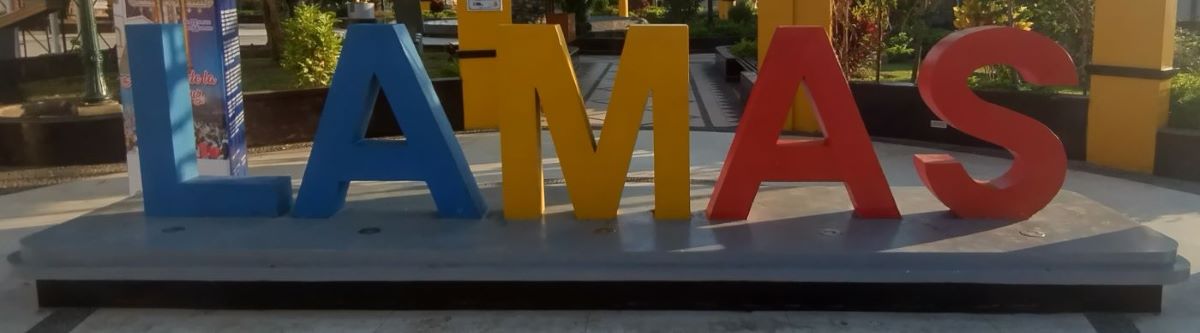
Lamas, Perú
July 16, 2025
Lamas, Perú, sits just a short drive north of Tarapoto, but the vibe couldn’t be more different. Built across three tiers of hillside terrain, it’s earned the nickname La Ciudad de los Tres Pisos—the City of Three Levels. With around 17,000 residents, it’s the capital of its province and proudly wears the title of Capital Folklórica de la Amazonía Peruana (Folkloric Capital of the Peruvian Amazon). The elevation shift gives it stunning views in every direction—and a few leg workouts if you’re walking.
The town dates back to the 1400s, when the Pocras and Hanan Chancas, two Indigenous groups fleeing the Inca Empire’s expansion, settled the hilltop. Later, Spanish missionaries showed up and formally founded Lamas in 1656. That layered history is still visible today, especially in the Barrio Wayku, where many residents speak Quechua or a Quechua-Spanish mix and continue to live in traditional-style homes. I found the locals friendly, but hard to understand—Quechua seems to dominate casual conversation here.
I happened to arrive during the Santa Cruz de los Motilones festival—and the place was mayhem. It felt like every person in the entire district had poured into town. Teens packed into massive dance groups and paraded through the narrow streets doing a strange, wild dance I’ve never seen before. It’s definitely not your average village celebration—this was full-blown, high-energy cultural pride on display.
The Castillo de Lamas is worth a visit if you’re in town. Yes, it’s a bit quirky—a medieval-style castle built in 2005 by an Italian who apparently had a dream and a budget—but it’s also genuinely interesting. It’s made from stone and incorporates some of the hill’s natural boulders into its walls, which gives it an oddly grounded charm. There’s even a pool, though it’s likely just for show—no signs of changing rooms or swimmers. I paid the entry fee mostly to get up into the towers, which give you incredible views across the valley and surrounding jungle. Totally worth it.
Lamas isn’t a polished tourist town, and that’s part of the appeal. The streets are uneven, the architecture is a mix of rustic and unexpected, and the whole town feels like it grew organically out of the hillside. Add to that the ever-present sound of drums, Quechua chatter, and street vendors selling snacks and crafts, and you get a place that’s alive with cultural layers. If Tarapoto feels too modern or commercial for your tastes, Lamas offers something raw, rooted, and real.

I used to teach English as a foreign language in Barranquilla, Colombia. Now I'm retired and traveling throughout South America.
I'm from Kennewick, Washington, USA. In my previous life, as I call it, I was an IT guy, systems administrator, computer tech, as well as a shipping/receiving guy and also worked as a merchandising guy in a RV/Camping store.